Local Indigenous organizations
Connect with and learn more from Indigenous organizations serving Red Deer and central Alberta:
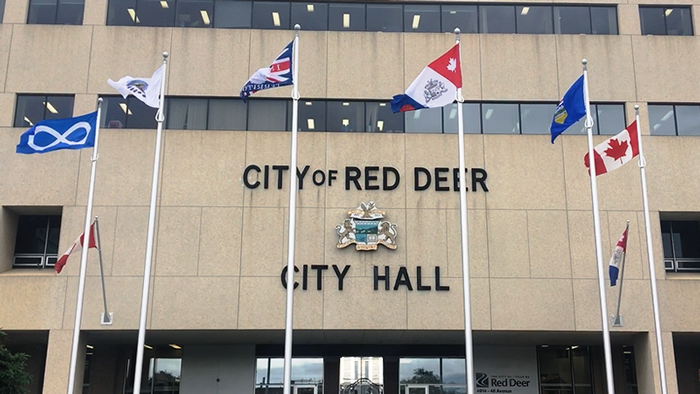
photo credit: rdnewsNOW staff
Central Alberta is a significant historical landscape within the ancestral territories of Cree, Blackfoot and Métis Peoples. For generations, this area has been a place to gather, trade, hold ceremony, build relationships and travel throughout the region.
Truth and reconciliation begin with understanding our shared history and acknowledging the harms and ongoing impacts of colonial policies and practices, including the residential school system.
Reconciliation also looks forward. It involves listening, learning, building and maintaining respectful relationships and taking meaningful action together.
The City of Red Deer honours the histories, cultures, knowledge and contributions of First Nations, Inuit and Métis Peoples and recognizes that reconciliation is an ongoing responsibility. Our commitment is to continue learning, strengthening relationships with Indigenous communities and considering how reconciliation can be reflected in the work we do as a municipal government.
Reconciliation takes time and requires humility, accountability and action. Acknowledging the land on which we live and understanding the truth of our shared history are important parts of that journey.
The Truth and Reconciliation Commission of Canada (TRC) was created to document the history and lasting impacts of Canada's residential school system and to provide Survivors, their families and communities opportunities to share their experiences.
The TRC heard from Survivors and others affected by residential schools and produced a comprehensive record of the residential school system and its legacy. In 2015, the Commission released 94 Calls to Action intended to redress the legacy of residential schools and advance reconciliation in Canada.
The Calls to Action involve governments, organizations, institutions and individuals. Municipal governments are specifically included in several Calls to Action, reinforcing that municipalities also have a role in advancing reconciliation.
Learn more:
The history of residential schools is also part of Red Deer’s history.
The Red Deer Indian Industrial School operated as a residential school from 1893 to 1919, west of Red Deer across the river from Fort Normandeau. Children were separated from their families and communities to attend the school, and children died while they were there.
The name Red Deer Indian Industrial School is used when referring to the institution at the request of the Remembering the Children Society, to accurately record the name given to the school and identify the children affected by it.
Learning about the school, remembering the children who attended and understanding the continuing impacts of the residential school system are important parts of reconciliation in our community.
Learn about the Red Deer Indian Industrial School, including historical information, archival records and additional resources.
On June 21, 2017, Red Deer City Council and the Urban Aboriginal Voices Society signed a Protocol Agreement during a ceremony in Council Chambers.
The agreement reflects a commitment to relationship-building between The City and Red Deer’s urban Indigenous community.
Red Deer City Council and Urban Aboriginal Voices Society Protocol Agreement (pdf)
Note: the historical name of the organization is retained when referring to the agreement. The organization is now known as the Urban Indigenous Voices Society.
Reconciliation is ongoing and everyone can play a role. Learning is an important starting point, but reconciliation also involves listening, building relationships and considering how what we learn can influence our actions.
Some ways to continue your reconciliation journey include:
The National Centre for Truth and Reconciliation describes ReconciliACTION as moving from awareness and learning toward meaningful action. Its resources can help individuals and organizations consider how they can contribute to reconciliation.
Connect with and learn more from Indigenous organizations serving Red Deer and central Alberta:
There are opportunities throughout the year to learn, participate and recognize Indigenous histories, cultures and experiences.
Local events, cultural celebrations, ceremonies, Pow Wows, community gatherings and learning opportunities may also be listed on the Red Deer Community Events Calendar.
As part of Red Deer’s reconciliation journey, The City produced a series of informal conversations with local Indigenous Knowledge Keepers.
These conversations provide an opportunity to listen and learn about cultural teachings, traditions and experiences from people in our community.
Not sure where to begin? These resources offer different ways to continue learning:
The National Centre for Truth and Reconciliation preserves the records and stories gathered by the TRC and provides education resources to help current and future generations understand the residential school system and its legacy.
Information about residential schools can be difficult and may bring up painful experiences.
The National Residential School Crisis Line provides support to former residential school students and their families 24 hours a day, seven days a week: 1-866-925-4419.