PPP stands for paper and packaging products. It is the term used in legislation and industry information, but for residents it refers to many of the same everyday items commonly discussed as recycling, such as paper, cardboard, containers and packaging.
Extended Producer Responsibility (EPR)
Extended Producer Responsibility (EPR) shifts responsibility for funding and managing residential paper and packaging recycling from municipalities to the producers that put these products on the market.
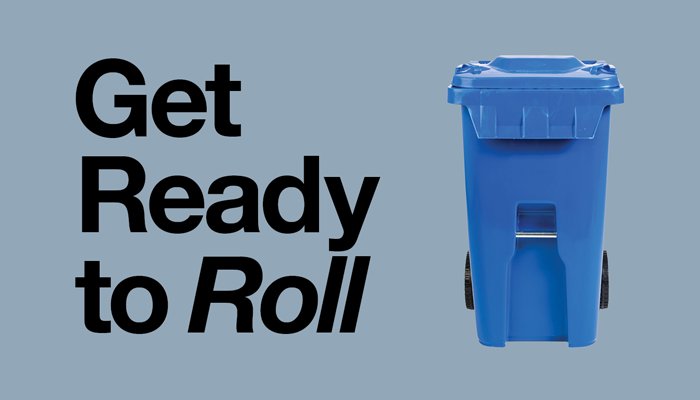
EPR is being implemented in Alberta in phases:
- April 1, 2025 – Phase 1: Producers became responsible for funding and managing eligible residential recycling programs. Residents no longer pay municipal recycling charges. There were no significant changes to how residents sorted or collected their recycling.
- October 1, 2026 – Phase 2: More materials will be accepted in residential recycling programs. In Red Deer, this means some items currently placed in the Black Cart will move to the Blue Cart.
Important: Continue following current sorting requirements until October 1, 2026.
Circular Materials, a not-for-profit Producer Responsibility Organization, is administering Phase 2. A further operational change is expected April 1, 2027, when a new Blue Cart collection provider and updated contact information are expected. More information will be shared as details are confirmed.
Extended Producer Responsibility FAQs
Where can I learn more about EPR?
Residents can learn more through provincial and industry resources, but local sorting decisions should be based on City of Red Deer information. Recycling programs and timelines can vary by community.
Timing and Transition
Do I need to change how I recycle right now?
No. Keep sorting the same way until October 1, 2026. The expanded recyclable material list does not take effect until then. Continue following the current Blue Cart, Black Cart and Green Cart sorting rules until the change begins.
Why do I need to wait until October 1?
The new accepted materials cannot be placed in the Blue Cart until October 1, 2026, to align with Alberta’s EPR regulation requirements. This change requires significant planning, infrastructure upgrades, and coordination to ensure a smooth transition. This includes setting up new collection systems and upgrading sorting facilities.
What changes on October 1, 2026?
Starting October 1, more materials will be accepted in the Blue Cart, including additional paper and fibre materials, paper laminate packaging and containers, cartons, plastic packaging and containers, flexible plastic packaging, foam packaging, metal containers, aluminum foil and trays, personal care and cooking aerosol containers and glass containers. Some items that currently go in the Black Cart will move to the Blue Cart at that time.
Trusted Information
Where can I find the most accurate recycling information?
The City of Red Deer is the trusted source for local Blue Cart, Black Cart and Green Cart sorting information.
What should I do if another community has different recycling rules?
Follow City of Red Deer recycling information for materials collected in Red Deer. Accepted materials, preparation requirements and collection programs can differ between municipalities.
Do I need to memorize the new accepted-material list?
No. The City will provide examples, sorting information and online tools to help residents make the right decision. Use City resources whenever you are unsure where an item belongs.
Accepted Materials
What paper and fibre materials are accepted starting October 1?
Accepted paper and fibre materials include cardboard boxes, pizza boxes, direct mail boxes, moving boxes, shoe boxes, cereal boxes, tissue boxes, egg cartons, toilet paper and paper towel rolls, paper bags, notepads, loose paper, file folders, printed materials, community newspapers, flyers, brochures, magazines, greeting cards, envelopes and gift boxes.
Are paper laminate packaging and containers accepted?
Yes. Starting October 1, accepted paper laminate items include pet food bags, food service paper bags, plates, spiral cans, cookie dough containers, ice cream containers and hot or cold beverage cups. These items must be empty and rinsed. Remove lids from paper laminate containers.
What plastic packaging and containers are accepted?
Starting October 1, accepted plastic packaging and containers include laundry detergent jugs, household cleaner bottles, shampoo and body wash bottles, salad dressing bottles, condiment bottles, dish soap bottles, mouthwash bottles, food trays, salad containers, yogurt containers, peanut butter containers, bakery containers, egg containers, plastic cups, plastic tubs and lids, small item packaging, hand sanitizer bottles and plant pots. Empty and rinse containers before recycling them. Lids and caps can stay on.
Are cartons accepted?
Yes. Starting October 1, accepted cartons include molasses and sugar cartons, laundry and cleaning cartons, and soup and sauce cartons. Empty and rinse cartons before recycling them. Lids and caps can stay on.
What plastic packaging and containers are accepted?
Starting October 1, accepted plastic packaging and containers include laundry detergent jugs, household cleaner bottles, shampoo and body wash bottles, salad dressing bottles, condiment bottles, dish soap bottles, mouthwash bottles, food trays, salad containers, yogurt containers, peanut butter containers, bakery containers, egg containers, plastic cups, plastic tubs and lids, small item packaging, hand sanitizer bottles and plant pots. Empty and rinse containers before recycling them. Lids and caps can stay on.
Are flexible plastics accepted?
Yes. Starting October 1, accepted flexible plastic packaging includes dry cleaning bags, bread bags, newspaper and flyer bags, overwrap from paper towel, toilet paper and beverage containers, coffee bags, deli pouches, chip bags, bubble wrap, snack wrappers, cereal liner bags and plastic gift bags. These items must be empty and rinsed if soiled.
Is foam packaging accepted?
Yes. Starting October 1, accepted foam packaging includes meat trays, takeout containers, cups, plates, bowls and foam packaging. Items must be empty and rinsed. Remove film wrap and absorbent pads from meat trays before recycling.
What metal containers are accepted?
Starting October 1, accepted metal containers include food cans, metal lids, candle tins, cookie tins, coffee tins and tea tins. Rinse and dry metal containers before placing them in the Blue Cart.
Can aluminum foil and trays go in the Blue Cart?
Yes. Starting October 1, aluminum foil, pie plates and frozen food trays are accepted. Empty and rinse aluminum items and ball up aluminum foil before recycling.
Are aerosol containers accepted?
Yes, many of them. Starting October 1, cooking (food spray, cooking oil, cool whip, etc.) and personal care (hairspray, body spray, shaving cream, deodorant, etc.) aerosol containers are accepted if they are empty. Lids and caps can stay on. What is not accepted are cleaning and paint aerosols.
Are glass containers accepted?
Yes. Starting October 1, clear and coloured glass containers are accepted, including food containers, jars, bottles, cosmetic containers, spice bottles, oil bottles and vinegar bottles. Empty glass containers and remove lids and caps before recycling.
What should I do if I am not sure where something goes?
The Waste Sorting Tool helps residents find out whether an item belongs in the Blue Cart, Black Cart, Green Cart or another disposal stream. Use the tool when you are not sure where an item belongs.
Preparation and Contamination
How should I prepare paper and cardboard?
Empty and flatten boxes. Cardboard should be no larger than 60 x 60 cm. Place shredded paper in a tied clear plastic bag. Remove plastic covers, elastic bands and rope handles from bags. Do not place soft or hard covered books or novels in the Blue Cart.
What does “empty” mean?
Containers should not contain food, liquid or leftover product before they are placed in the Blue Cart. Emptying materials helps reduce contamination and keep recyclable materials cleaner.
Do all items need to be rinsed?
Yes, most materials such as metal containers, glass jars, and plastics should be rinsed and dried before recycling. Other items need to be empty. Check the preparation instructions for the material type when you are unsure.
Should lids and caps stay on or come off?
It depends on the material. Some items can be recycled with lids and caps on, while glass containers need lids and caps removed. Check the sorting instructions before recycling each item.
Why does contamination matter?
Contamination happens when unacceptable or improperly prepared items are placed in the Blue Cart. Contaminated recycling can create collection and processing issues and may reduce the quality of recyclable materials. Sorting correctly helps keep recycling working.
What if I accidentally put the wrong item in my Blue Cart?
Mistakes can happen, but residents should make every effort to sort correctly. If you are unsure about an item, check the City’s sorting information before placing it in any cart. Do not guess.
Collection and Contact Information
Will my Blue Cart collection day change?
Collection schedules will remain the same unless residents are notified otherwise. Any future changes to collection schedules will be shared through official City channels.
Who should I contact if I have a Blue Cart collection issue?
Residents can continue to call 403-342-BLUE (2583) for questions about carts.
Recycling Drop-off
We operate two recycling drop-off depots for individuals and small businesses.
Multi-family Garbage & Recycling
Learn about options that exist for recycling in apartments and other multi-family complexes.
Electronics Recycling
Recycle your old electronics for free at our electronic recycling depot.
Shingle & Drywall Recycling
Our Waste Management Facility recycles asphalt shingles and drywall.
Sign up for alerts
Use your Notify Red Deer account to sign up for cart collection schedule alerts.
Questions
Email: carts@reddeer.ca
Phone: 403-340-BLUE (2583)